
The Michigan State University Excavations at Isthmia
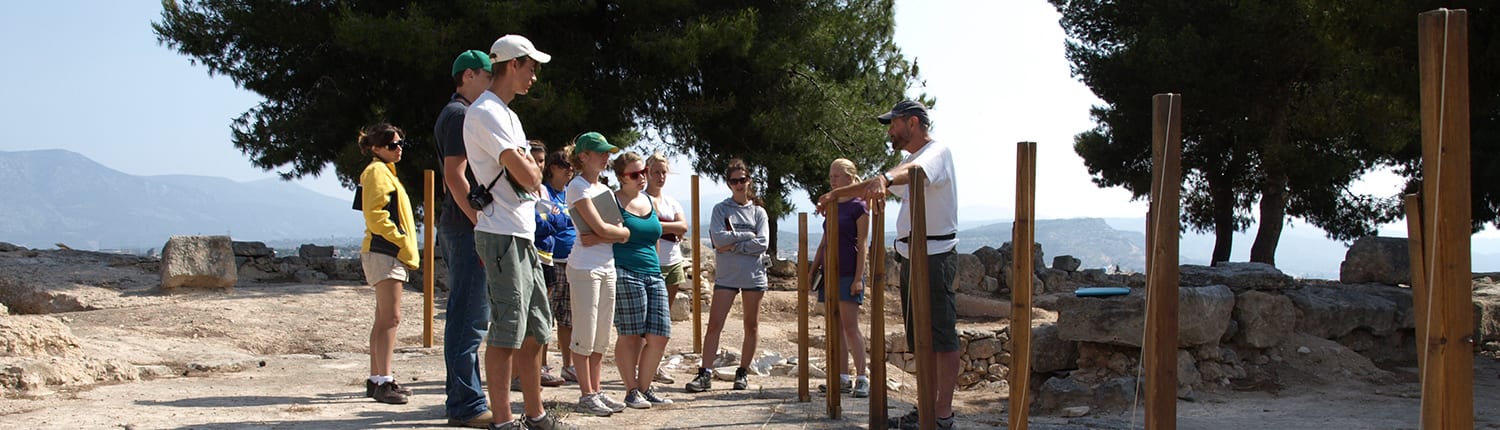
By permission of the Greek Ministry of Culture and Sports, under the auspices of the American School of Classical Studies at Athens, and with the support of the Michigan State University College of Arts and Letters, the MSU Excavations at Isthmia conducts an active program of archaeological research, training / education, and publication centered on the ancient Sanctuary of Poseidon in Greece.
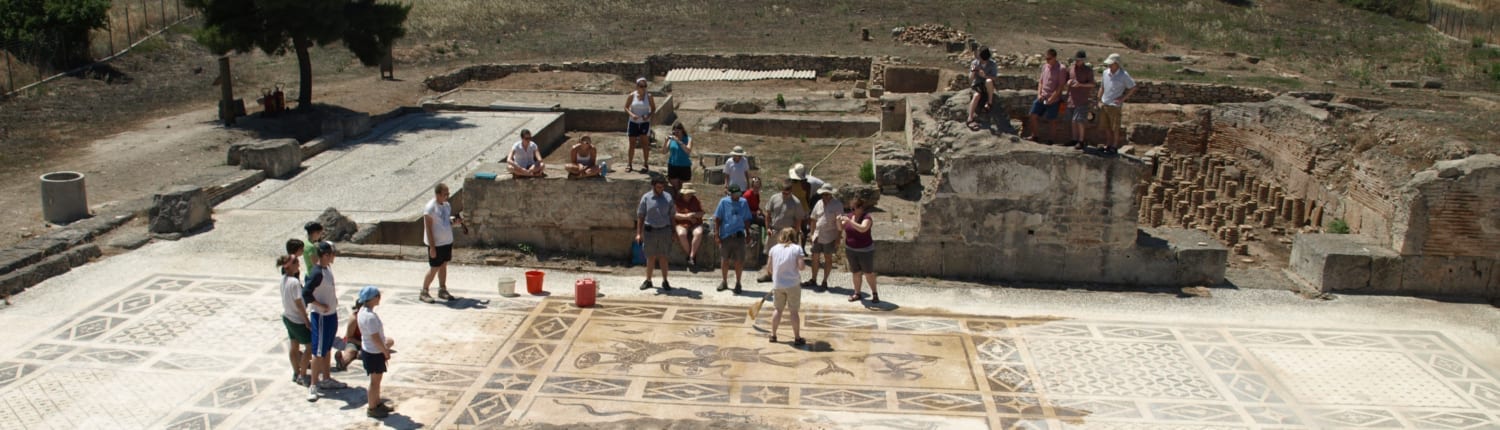
With a history extending back to the Bronze Age, the site of Isthmia grew to prominence in the 6th century BC as one of the four great Panhellenic sanctuaries where athletes from around the Greek world came to compete in the biennial games. Later, in the early Byzantine period, Isthmia again became important as the location of an impressive fortification work designed to protect the entire southern half of the Greek peninsula from invasion. The remains of both periods of use have been excavated and continue to be studied today.
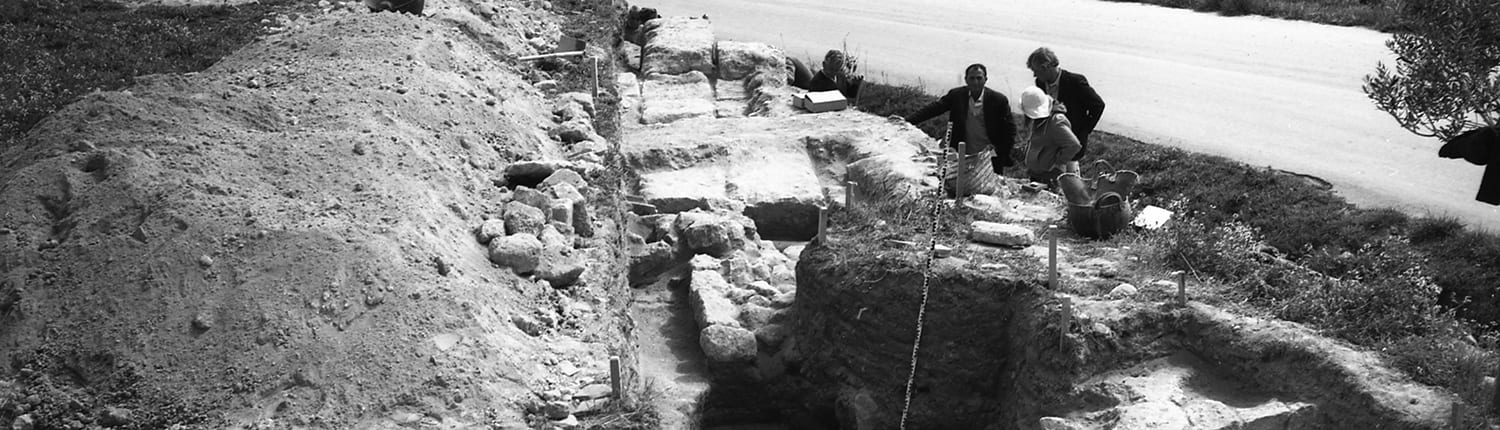
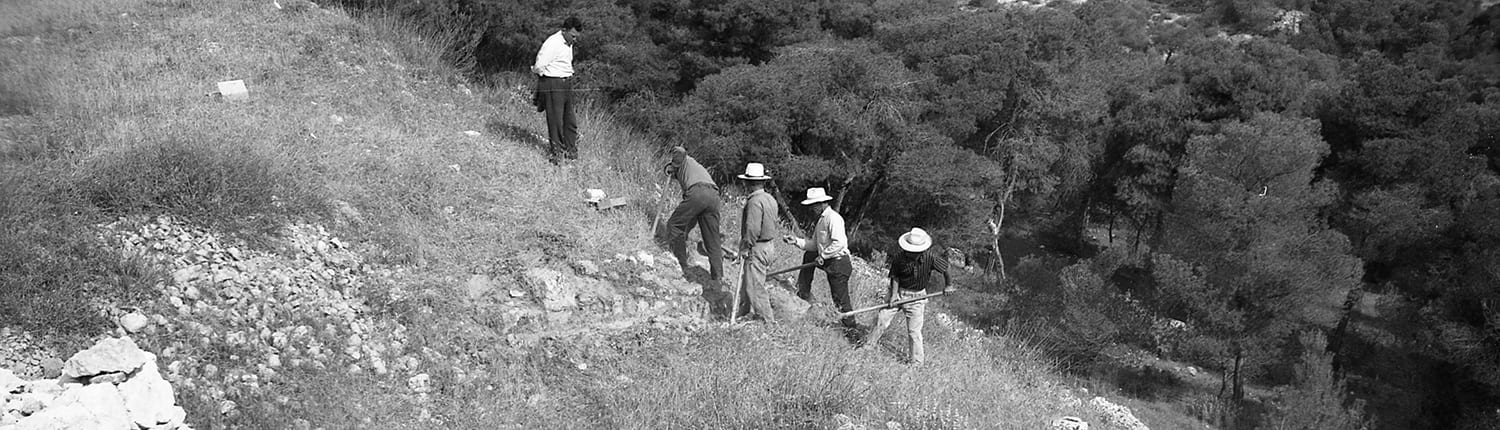
While many different explorers previously investigated the site, in 1952 Oscar Broneer of the University of Chicago opened a program of systematic excavation at Isthmia. Research continued under Paul A. Clement of UCLA, beginning in 1967, and under Elizabeth Gebhard of the University of Chicago in 1976. Timothy E. Gregory was named to succeed Professor Clement as Director at Isthmia in 1987 and with this transition Ohio State University undertook sponsorship of the excavation. In 2020, Jon M. Frey and Michigan State University assumed the responsibility of continuing the work of Clement and Gregory. The Michigan State University Excavations at Isthmia engages each season in an active program of research, training and public outreach in collaboration with the University of Chicago Excavations.